When there’s an abundance of
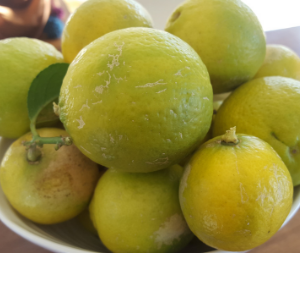
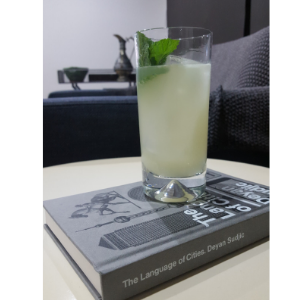
limes from the garden, then it’s time for mojitos. The key is to have your
limes and mint fresh. This is an easy classic cocktail and yet I have been
served flavourless mojitos in bars and the reason being not using the freshest
of ingredients.
Mojito
1 lime
6-8 mint leaves plus a sprig for
garnish
2 teaspoons of sugar
60 ml white rum
A splash of soda water
METHOD
Slice the lime into wedges. Place
the wedges in a cocktail shaker. Muddle the limes with a muddler or the end of
a rolling pin or other such implement until all the juice is extracted. Add
mint leaves and sugar and muddle to combine. Add the rum followed by ice and
shake. Strain out into a Collins glass filled with ice. Top with a splash of soda
and finish with sprig of mint.
Years ago, on our way to Hanmer
Springs, we stopped by at Pegasus Bay Winery for lunch and I ordered the
cauliflower soup with Pernod. I have substituted vodka and the end result is a
decadent rich tasting soup.
1 medium cauliflower (600 -700
grams) washed and cut into small florets
1 large potato (150 grams)
1 large onion (150 grams), peeled
and chopped
3 cloves garlic chopped
50 grams butter
1 teaspoon ground white pepper
30ml vodka (optional)
1 cup whole milk
1 teaspoon hot English mustard
Chopped Italian Parsley for
garnish
Salt to taste
METHOD
Heat butter in a deep sauce pan.
When the butter starts to melt and froth, add the onion and fry for three
minutes until soft. Add the garlic and ground white pepper and fry for a
minute. Next add the cauliflower florets along with the potato. When you feel
everything is heated through, add the vodka. I immediately flambé the vodka – I
light a match and do this. Then add three cups of water and one cup of milk.
Let it come up to the boil and allow to simmer for 20 minutes until the
vegetables are all soft. Remove from heat, stir in the mustard and add salt.
Set aside a few pieces of the cooked cauliflower for garnishing the soup and
using a hand held blender, blitz the vegetables until you get a glossy soup.
Taste and adjust seasoning according to your preference.
Place the reserved cauliflower
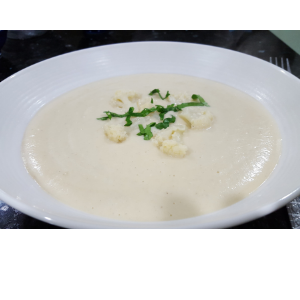
florets onto a soup bowl and ladle soup into the bowl. Garnish with the Italian
Parsley. Serve with grilled cheese toast for a hearty lunch. Serves 6.
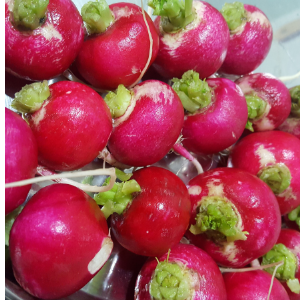
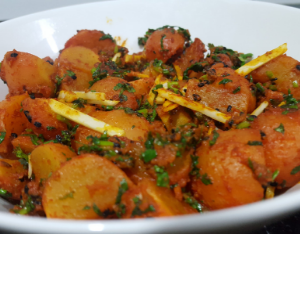
I have adapted this recipe from Atul Kochhar’s “Simple Indian” cookbook. He made this dish with baby turnips but I feel the pink table radish we get here are succulent prepared this way.
400 grams radish, cleaned and
trimmed
2 tablespoons vegetable oil
1 teaspoon nigella seeds
1 green chilli, chopped
2 centimetre piece of ginger
finely chopped
½ teaspoon turmeric powder
½ teaspoon chilli powder
1 teaspoon ground coriander
1 medium tomato, chopped
1 tablespoon chopped coriander leaves
5 grams root ginger julienned
Salt to taste
METHOD
Mooli Masala
Cut the radish into quarters.
Heat the oil in a sauté pan, add the nigella seeds, green chilli and ginger,
and sauté for 1-2 minutes until the seeds crackle.
Add the radish and powdered
spices, and sauté over a low heat for 2-3 minutes. Add the chopped tomato and
salt. Cover and cook until the radish are soft.
Sprinkle chopped coriander and
ginger julienne over the radish and serve hot as an accompaniment.
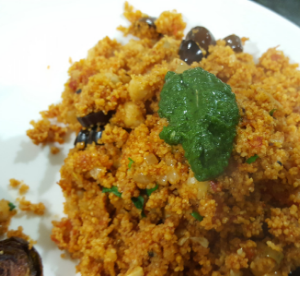
Until I started making couscous
this way, I did not have a very favourable impression. It always felt dry and
stodgy and lacked any real taste. I guarantee this recipe will definitely
change your mind like it did mine.
250 grams of wholemeal couscous
1 x 400 grams tin of chick peas
drained and rinsed
1 medium sized onion finely
chopped
2 cloves garlic chopped very fine
1 teaspoon ground coriander
1 teaspoon ground cumin
½ teaspoon allspice powder
1 teaspoon chilli powder
½ teaspoon sweet paprika
1 x 400 grams tinned tomatoes
1 green chilli finely chopped
12 kalamata olives, pitted and
sliced
1 tablespoon finely chopped mint
and parsley
Salt and pepper to taste
Heat the olive oil in a heavy
based fry pan that has a lid. Add onion and cook on a low heat until soft. Then
add the garlic, coriander, cumin, all spice, chilli powder and paprika, and mix
well. Cook for a couple of minutes, add tomatoes, green chilli and honey. Cook
for a few minutes, add a cup of water and let it come up to the boil. Now add the couscous, chick peas and olives.
Cover and cook over a low heat until the couscous swells up and is soft. This
will take about 5 -10 minutes. Just before serving stir the parsley and mint
through. Serves 4 -6.
A fiery hot chilli relish
originally from Yemen but now popular in Israel. It is eaten as an
accompaniment to just about everything. I served it up with roast Maryland
chicken. This recipe is courtesy of Greg and Lucy Malouf from their Moorish
cook book.
4 cardamom pods
1 teaspoon black peppercorns
1 teaspoon caraway seeds
2 cups fresh coriander, roots
removed
4 – 6 red chillies – I did not
remove the seeds but you can if you don’t like super-hot relish
6 cloves garlic
1 teaspoon salt
A splash of water
Crush the cardamom pods,
peppercorns and caraway seeds in a mortar and pestle, then sift to remove the
husks. I used a tea strainer.
Wash and thoroughly dry the
coriander. Put the chillies, coriander, garlic, salt and water in a blender,
add the spices and mix well. Tip into a jar and seal with 1 tablespoon olive
oil. It will keep for around a week in the refrigerator.
Makes 100 ml
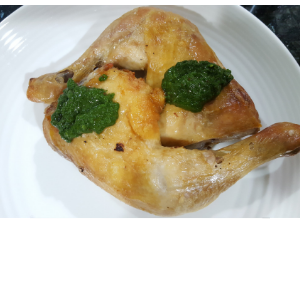
TRAY BAKED CHICKEN MARYLAND
Tray Baked Chicken Maryland with Zhoug
A chicken Maryland is a cut of chicken which contains both the
drumstick and thigh. It is a great budget-friendly cut to use for a quick roast chicken or in a one-pot wonder meal.
4 pieces chicken maryland cut
legs
2 tablespoons vegetable oil
Maldon sea salt
Preheat oven to 210oC
or 190o C fan bake. Rub the vegetable oil on the legs and sprinkle
Maldon sea salt liberally. Place legs on a wire rack over an oven tray. Bake in
oven for 30 to 35 minutes until done. Serve with couscous and Zhoug. Serves 4.
Schmaltz is the rendered chicken
fat which collects in the tray. You can spoon into a small bowl and use it to
flavour rice or couscous.
In Andhra Pradesh, the state
where I was born vepudu is a common method of cooking vegetables. It literally
means fry but the vegetables are not deep fried and the dish is dryish to look
as it is eaten with liquid accompaniments like rasam or sambar.
There is sweetness from the
carrots and beetroot and a hint of chilli coming through. The vegetables are
lovely and juicy and I think it is a colourful accompaniment.
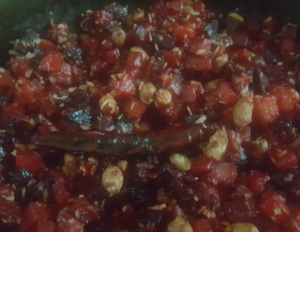
3 large carrots (450 grams)
evenly diced to 1 centimetre pieces
3 medium sized beetroots (250
grams) evenly diced to 1 centimetre pieces
1 dried red chilli
1 green chilli finely chopped
1 teaspoon cumin seeds
1 teaspoon channa dhal (split
chick pea)
3 tablespoons peanut or other
vegetable oil
3 tablespoons roasted peanuts
3 tablespoons desiccated coconut
Salt to taste
METHOD
Heat the oil in a heavy based fry
pan with a lid. When hot add the channa dhal if using, followed by the red chilli.
Allow them to fry slightly for about thirty seconds and then add the green
chilli and cumin seeds. When you can smell the cumin seeds, add the beetroot
and fry for a minute before adding the carrots. Put the burner to high heat and
cover the pan with lid and do not touch for a minute. Then remove the lid, stir
to mix and do the same again that is cover with a lid and do not touch for a
minute. Then reduce heat to low, add salt and stir to mix. Cover with lid and
allow to cook for ten minutes. Fry once more this time remove the lid and allow
the moisture to evaporate. Turn off the heat, add the desiccated coconut and
the peanuts, mix and serve. Serves 6.
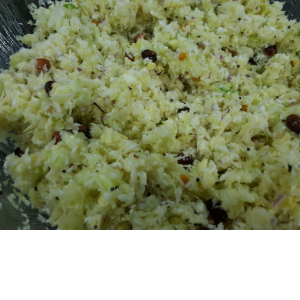
My maternal grandmother (Ammamma)
passed away when I was very young and I did not have the privilege to know her
better. My mother talks of the food she used to prepare very fondly and this is
one of my grandmother’s recipe. You need tender baby cabbage the one that has
almost soft, buttery leaves.
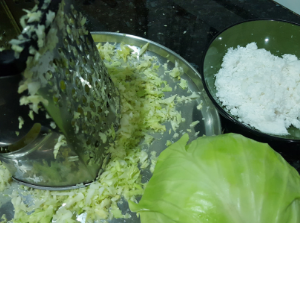
Grating the cabbage
1 small tender, baby cabbage, washed
and dried
100 grams grated coconut (I used
frozen coconut)
1 thumb ginger finely chopped
2 green chillies (seeded and finely
chopped)
1 shallot finely chopped
Juice from one lemon (about 30
ml)
2 tablespoons vegetable oil like
canola
50 grams peanuts (handful)
1 teaspoon mustard seeds
1 teaspoon channa dhal (split
chick pea)
1 dried red chilli
Pinch of asafoetida (optional)
Salt to taste
Using a box grater, grate the cabbage. In a
large bowl, mix the cabbage with the green chilli, ginger and shallot. Heat a
tablespoon of oil in a small fry pan and fry the peanuts until golden brown.
This needs to be done on low heat otherwise they burn and taste bitter without
the crunch. Once fried, remove and set aside. Put the fry pan on heat again and
add the remaining oil to prepare popu (seasoning). Add the channa dhal,
followed by mustard seeds. When the channa dhal turns slightly brown, you can
also hear the mustard seeds popping, add the red chilli and asafoetida if
using. Remove heat as the residual heat is sufficient to fry off the asafoetida
and chilli. Just before serving, add the popu (seasoning) along with peanuts to
the cabbage mixture. Add salt, lemon juice and adjust seasoning to your taste.
Serve immediately. Serves 8 -10.
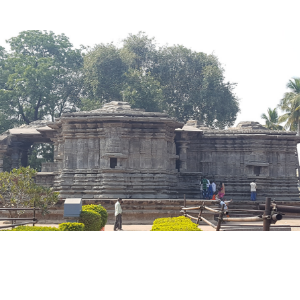
Thousand pillar temple in WarangalThousand pillar temple Warangal
Warangal is a city in the South Indian state of Telengana.
It can be easily accessed by road from Hyderabad and while it makes for a long
day, like me you can do it as a day trip. We started about 7am and returned
home about 10pm. It is about 150 kilometres but can take three hours to get
there because of traffic congestion within Hyderabad. It is settled in the
Eastern part of the Deccan Plateau made up of granite rocks and hill formations.
Summer is very hot and temperature can go as high as 42o Celsius and
so my recommendation is to go in winter where the day is pleasant at 22 to 24o.
Intricate carvings in the templeIntricate detail in the thousand pillar temple, Warangal
Visiting Warangal is a lesson in history. Warangal which is
a version of Orugallu or Ekshila Nagaram means a “single stone” referring to a
huge granite boulder in the Warangal Fort. The city itself was the capital for
the Kakatiya rulers who ruled between 12th to 14th century
AD. When I visited the temples, I was in awe and wondered how it was humanly possible
to have the vision to carve, chisel and create exquisite temples with one of the
hardest and heaviest materials on earth. Remember there was no automation and
nothing to assist the artisan – if the king commissioned you got the
inspiration and just did it. They are very inspiring and you are left wonder
struck not only at the enormity of the edifices but the detail as well. There
are several legends being told about the benevolent rulers. Our guide
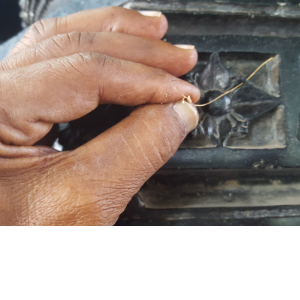
demonstrated the space between petals by passing a thin coconut fibre through
the gap!
Warangal
Did you know that the Kakatiya’s were the original owners of
the Kohinoor diamond? The city of Warangal was captured and looted by the Delhi
Sultanate. They destroyed some of the art work within the temples and the
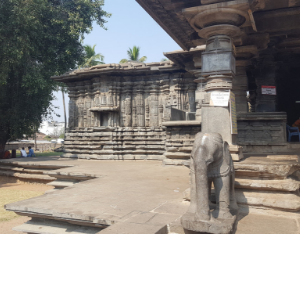
broken or defaced elephants are a reminder of this.
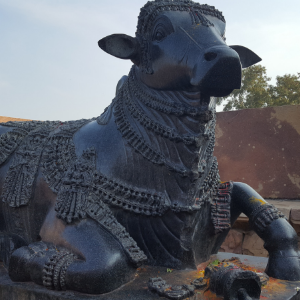
Ramappa temple in WarangalNandi in one of the Shiva temples in Warangal
Warangal is a city of more than million people but it
appears most of the business seems to happen in Hyderabad. There are a few
decent places to have lunch and we paid about $4 per person including tip for a
vegetarian meal.
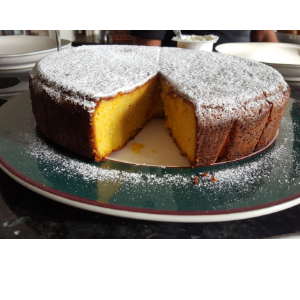
It was my son’s birthday over the
weekend and I baked this cake. This is my go to cake for any occasion. A friend
of mine Trish, gave this recipe about 20 years ago and we love it. It is so
moist, easy to prepare and uncomplicated and gluten free. The whole house has a
beautiful orange aroma when the cake is in the oven.
Orange Almond cake
6 Eggs
250 grams caster sugar
250 grams ground almonds
1 teaspoon baking powder
2 oranges
Put the oranges and 2 cups of
water into a saucepan that has a tight fitting lid. Cover and boil for 2 hours.
Check that the oranges don’t boil dry. Once cool, discard the water and cut
oranges open. Remove pips and core and purée.
Beat the eggs and sugar in a
large bowl until light and fluffy. Fold in oranges and ground almonds then add
baking powder.
Pour into a lined cake tin, preferably with a removable base. I used a 26 centimetres tin. Bake for about 60 minutes at 180°C. Cool in the tin before turning out.
I know countless people before me have written at great lengths about Singapore and what to do on holiday. I have spent many hours in transit many a time and wanted to dedicate this to what to do in Singapore when you arrive at 0600 and your flight is not until 2100 hours. I have done some or all of these activities in the fifteen hours.
Singapore never fails to amaze me as I feel it is a city that is always on the go and improving each and every day. I would have transited through Singapore at least 20 times and I must say not once have I cursed the layover. The city goes to bed late and rises late – so nothing is open till about 11am.
Flower garlands in Little India
0600 – Once you disembark and in the terminal go to the registration desk and book your free Singapore Heritage Tour for a 9am departure. No need to clear immigration.
Sunflower garden in Terminal 2
After registration, walk around and have a look at the
arrival gardens and displays. Depending on the terminal, you can either explore
the canopy walk, butterfly garden or sunflower garden.
Butterfly garden in Terminal 3
After exploring enjoy a cup of coffee or kapi, freshen up
and deposit your cabin bag at the left luggage centre. (Only a small day pack
back pack is permitted on the tour)
0900 – Check in for your heritage tour
Sultan MosqueMarina Bay Sands Hotel
1130 – Arrive back at your terminal and clear immigration
now.
1130 – Walk down to the MRT station (they will accept only
cash or MasterCard) and purchase a day pass. You will need to change lines but
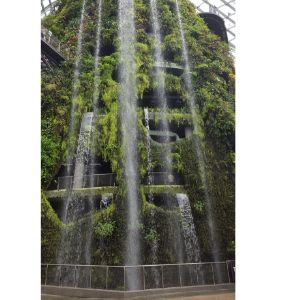
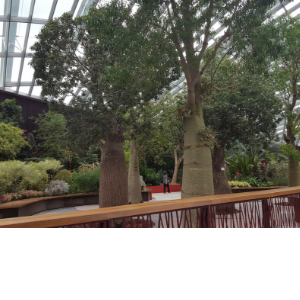
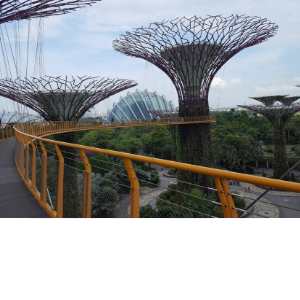
it is straight forward and head to Gardens by the Bay. The gardens are
inspiring and spectacular – you can easily immerse yourself and spend a few
hours even if you are not a gardener. You may stop for a spot of lunch at one
of the train stations.
Gardens by the Bay Gardens by the Bay
1130 to 1700 Travelling to Gardens by the Bay, lunch and
viewing the gardens. If the idea of gardens and being out in the heat and
humidity does not interest you, then head down to Orchard Road and get lost in
the mall maze. Traffic at peak times can be a nightmare and you will not find a
taxi between the hours of 5 to 7pm. Best to head back to the airport on the MRT.
1700 to 1800 – Pick up your cabin bag and head to the
transit lounge where for $16 you can have a nice shower.
1800 to 1900 – Head to the food halls to have some good
Singapore food
1900 to 1930 – Finish any last minute duty free shopping.
Great place to buy cosmetics, skin care and perfumes
1930 – Head to your gate for security check and Bon Voyage!