My son and I don’t know what to
have for breakfast as we are not part of the Kelloggs club! I am often looking
for interesting ways to have something to eat or drink about 9 or 9.30 after my
yoga or walk. This is a very filling choice and can be had anytime of the day!
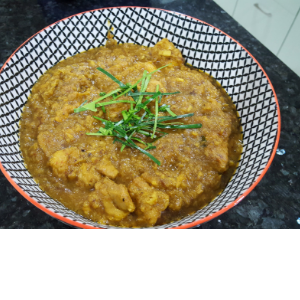
Traditionally the term rendang
does not refer to a type of dish. It actually refers to a method of slow
cooking; stir-frying or mixing the ingredients continuously on a very slow fire
for number of hours until they are devoid of any liquid. It was the judicious
use of spices plus the cooking method that made the dish popular during
celebrations and festivities. While rendang originated in West Sumatra, Indonesia
it has spread throughout South East Asia. You can use meat, duck, chicken and
even jackfruit to cook this way. This recipe is for chicken and thankfully my
recipe does not cook for hours on end!!
5-6 shallots peeled and chopped
4-5 cloves of garlic chopped
5 centimetre piece of fresh
ginger
5 centimetre piece of galangal
7-8 dried red chillies cut into
3-4 centimetre piece, seeds partially removed and soaked in hot water for half
an hour
2 stalks of lemon grass (better
to get fresh, if frozen thawed) outer sheaths peeled off and just the white
inner core
100 grams grated coconut (fresh
or thawed if frozen)
165 ml coconut milk
100 ml water
3 Kaffir lime leaves – remove the
rib for one of the leaves and finely chop. Set aside for garnish
1 spoon of jaggery or brown sugar
1 teaspoon ground turmeric
500 grams skinless, boneless
chicken thighs cut into about 4 centimetre pieces
1 tablespoon of vegetable oil
Salt to taste
METHOD
Using a food processor, grind
together to a fine paste the shallots, garlic, ginger, galangal, red chillies
and the lemon grass. Add a couple of tablespoons of water as needed.
In a large wok, roast the grated
coconut until golden brown and set aside. This will take ten minutes. If you do
it on high, you will burn the coconut so best over moderate heat frying
regularly.
Heat the oil in wok and brown the
chicken lightly in batches. You only need to oil the first batch as the fat
from this is sufficient for the remaining pieces. Set aside.
Put the spice paste in a wok along with coconut milk, turmeric, the two Keffir lime leaves, jaggery or brown sugar and the water. Bring it to a boil and allow to simmer for 20-25 minutes, stirring intermittently until the liquids have reduced to half the original amount. Now add the chicken and continue cooking uncovered for a further 10 minutes. Add the toasted coconut, stir and allow to cook for a further 3 minutes. Sprinkle the finely chopped Keffir lime leaf and serve with rice or Malaysian roti. Serves 4.
Cooking tips: The flavours
develop the next day, so may pay to have it the next day. You can also double
the spice paste and freeze one lot to make a different type of rendang later
on.
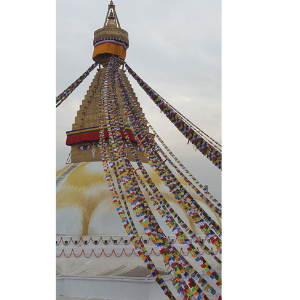
With a population of around 6 million people, Kathmandu is
the capital city of Nepal. Kathmandu stands at an elevation of approximately
1400 metres above sea level. The multi ethnic population of Nepal are primarily
Hindus or Buddhists. Nepalese are very obliging and always smiling so it’s easy
to overlook the dust and traffic congestions. Later, I learned that they live
by the prayer “Om Mani Padme Hum” and in a nutshell it means to achieve
perfection in the practice of generosity. Whilst tourism is vital for their
economy, with the earthquake of 2015, the country is simply struggling to keep
up with infrastructure demands that come with tourism. I was pleasantly
surprised that the visa on arrival process was quick and easy. There isn’t a
distinct downtown and no high rises, just a lot of businesses and people going
about their lives.
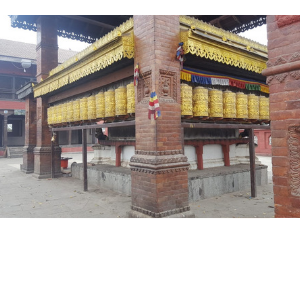
Prayer wheels at Swayambhu Stupa, KathmanduTrinkets and other Kitsch at Swayambhu Stupa, Kathmandu
Going to any city, like everyone else we did the touristy
things and visited the Patan Durbar Square, Swayambhu Stupa, Baudhannath Stupa
and Pasupati temple. Religious and cultural festivities forma major part of the
lives of people living in Kathmandu. Wherever we went, we saw priests
conducting prayers of some sort. We went
mid-December so our views were somewhat obscured by fog, but on a clear day our
guide told us that one can get a panoramic view of Kathmandu from ascending the
365 steps leading to the Swayambhu temple. Our last stop was the Pasupati
temple of Lord Shiva. This is a sacred site and busloads of Hindu pilgrims from
India are queuing to go inside the temple. This was a culture shock to me and I
walked to a nearby park as I could not bear the open cremations.
Pokhara, Nepal
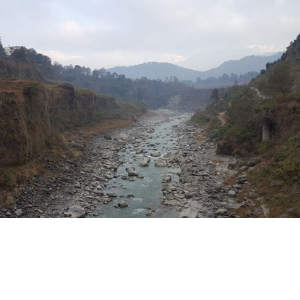
The weather gods didn’t oblige as we were looking forward to an Everest scenic flight, so we cut short our stay in Kathmandu by a day and headed for Pokhara. We have extended family in Pokhara so our family arranged for a taxi to take us there. On paper, it is about 200 kilometres and it took us almost six hours to get there with half an hour pit stop for lunch. While navigating the traffic within city limits was tricky, and to put a positive spin being a passenger in the vehicle was exhilarating! It looked like a one way steep road but there were three unmarked lanes! There were no barriers to the cliff face!! However the vistas and the deep valleys were remarkable.
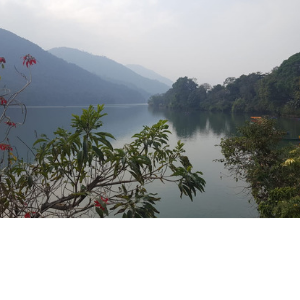
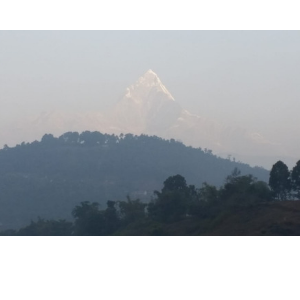
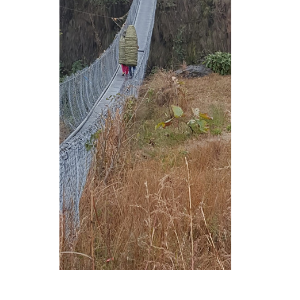
Pokhara, Nepal Machhapuchchhre , (Fish Tail Mountain ), NepalWomen carrying baskets on their back in Pokhara, Nepal
Pokhara was amazing and well worth the journey. The Annapurna trail begins here. It is pristine and picturesque and lots of activities for the trekkers, mountain climbers and paragliding. My husband’s uncle who lives in Pokhara did paragliding at 72 years so I took inspiration from him and was glad I did – this was truly amazing as you fly like a bird you can feel that you can touch the mountains. The crew from Team 5 Paragliding were awesome as I was nervous as hell and they made me feel comfortable.
We flew out of Kathmandu and if your flight is during the
day, ask to be seated on the right side of the plane as you can have really
good views of Everest if it is a clear day.
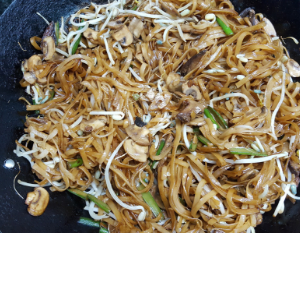
I love mushrooms and I am always
experimenting ways in which to use them. This is a vegetarian version of noodle
dishes made at the open food stalls in Hong Kong.
10 grams dried sliced shitake
mushrooms
250 grams white mushrooms
100 grams of garlic shoots or
Chinese chives
375 grams of rice sticks (medium
sized rice noodles)
4 tablespoons vegetable oil
2 garlic cloves sliced
4 teaspoons light soy sauce
½ teaspoon dark soy sauce
½ teaspoon ground white pepper
200 grams bean sprouts
Salt to taste
Soak the dried mushrooms in hot
water from the kettle for at least 30 minutes. Slice the white mushrooms as
thin as you can. Cut the garlic shoots into 5 centimetre pieces and if they are
too thick split them lengthways. Cover the rice sticks in warm water from the
tap, leave for a few minutes, and then use your fingers to separate them. Shake
dry in a colander.
Heat half the oil in a large wok
over a high flame Add the shitake mushrooms and garlic. Fry until the smell of
garlic is evident. Then add the other mushrooms and garlic shoots and fry over
a medium heat for a further 2 minutes. Add a dash of the dark soy sauce so
mushrooms get a rich colour. Remove and set aside.
Heat the remaining oil on high
heat and add the rice sticks. Fry until the rice sticks are hot. Add the light
and remaining dark soy sauce. Sprinkle the white pepper and salt, then fry to
combine. Return the mushrooms and garlic shoots along with the bean sprouts to
the wok, stir fry until everything is piping hot. Serve immediately. Serves 4
as a main at lunch.
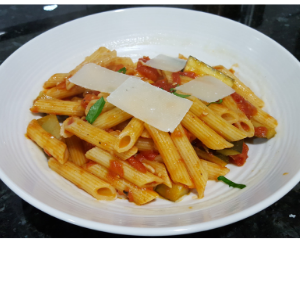
I bought Marcella Hazan’s
Marcella Cucina cook book over twenty years ago. The book has been a very
useful reference for me to learn how to cook authentic Italian as the
techniques and recipes are easy to follow. This is an adaptation from her book
and takes about half an hour to prepare (quicker than you can get takeaways). I
might add very tasty too!
Penne Pasta with Zucchini Sauce
7 or 8 medium zucchinis
3 tablespoons extra virgin olive
oil
3-4 cloves of garlic peeled and
finely chopped
½ to 1 teaspoon chilli flakes
2 tablespoons Italian parsley
chopped
1 x 400 grams tin of plum Italian tomatoes
500 grams box of good quality Penne Pasta or other hollow tube pasta
Salt to taste
Parmesan shavings for garnish
METHOD
Wash zucchinis well and cut them
into batons (lengthways) about 5 centimetres long and about 1 centimetre wide.
In a large fry pan put two tablespoons of oil and the finely chopped garlic
turning heat to medium. Fry from time to time and when garlic turns pale brown
and the smell is evident, throw in the parsley and the zucchini pieces along
with salt and the chilli flakes. Turn over once or twice before covering with
lid. Cook for about 5 -7 minutes. Add the tomatoes and squash them up in your
hand while adding. Mix to combine and keep it on a steady simmer for a further
ten minutes.
Cook the pasta as per the instructions on the box, drain and toss the sauce immediately. Stir in the remaining olive oil. Mix to combine. Serve promptly with shavings of Parmesan cheese. Serves 4
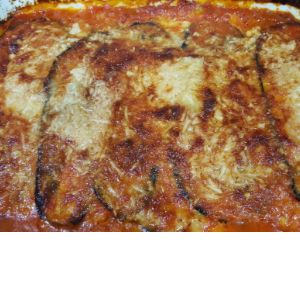
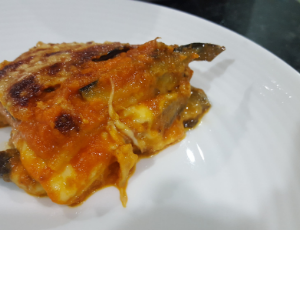
Did you know that this classic Italian dish has its origins in Campania, Sicily? People tend to associate Parmigiana to Parma in the north but now you know. There are several variations and you can do it with breaded meat but in our household we prefer the vegetarian version with eggplants. The process is long but I assure there is nothing technical or hard and the end result is very tasty. Remember good things take time!
Eggplant Parmigiana
3 large eggplants
Plain flour for dusting
100 ml of extra virgin olive oil
2 cups salsa di pomodori (recipe
below)
150 grams Mozzarella cheese
grated or sliced thin
50 grams of Parmigiano Reggiano
Salt
METHOD
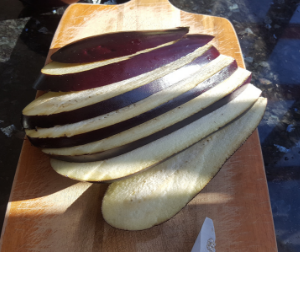
Slice the eggplant lengthways
into 1 centimetre slices. You will have about 7 or 8 slices from each eggplant.
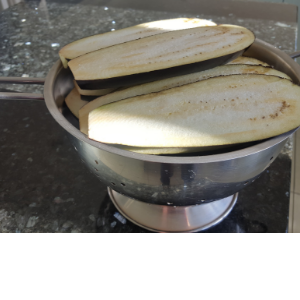
Don’t make them too thin as they will disintegrate when you fry. Sprinkle each
layer liberally with salt, as you place in a colander in a sink and leave for
about 2 hours.
Slice the eggplant lengthwaysSalting the eggplant
Preheat oven to 180oC
while you prepare the salsa di pomodori and the eggplant.
Pat dry with kitchen towel, dust lightly with flour.
Heat a couple of tablespoons of oil in a wide fry pan. Add the eggplant slices
and fry briskly until browned on both sides. Do not crowd the pan. Remove and
drain on kitchen paper. Repeat with the remaining oil and eggplant slices.
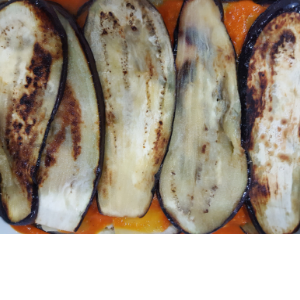
Layering the Eggplants with salsa di pomodori
Use a lasagne dish, with
alternate layers of salsa di pomodori, eggplant and Mozzarella cheese. Finish
the last layer with Parmigiano Reggiano.
Bake in preheated oven for 30 to
40 minutes until golden. Serve hot as a main for four with crisp Cos lettuce
salad or as a side dish to accompany meat for eight people.
SALSA di POMODORI
500 grams of tinned plum tomatoes
1 onion finely chopped
2 tablespoons extra virgin olive
oil
3 cloves of plump garlic finely
chopped
1 carrot diced
1 tablespoon tomato paste
1 teaspoon sugar
½ to 1 teaspoon chilli flakes
Salt and pepper
2 – 3 sprigs of fresh basil
METHOD
Heat a saucepan and when hot
enough add the olive oil, followed by the onion. Once onion is softened, add
the garlic, chilli flakes, sugar, tomatoes, carrot and tomato paste. Salt to
taste and grind plenty of black pepper. Stir with a wooden spoon to break up
the tomatoes. Add half cup water and bring to the boil. Partially cover and let
simmer for 15 -20 minutes. Remove from heat, blitz to form sauce. Stir in basil
if using.
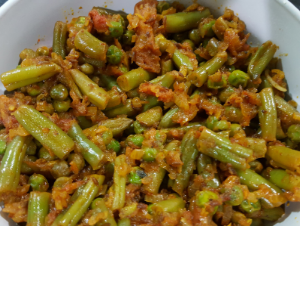
400 grams of beans cut into 3
centimetre pieces (I use cut frozen beans)
300 grams of peas
1 large onion chopped finely (150
grams)
1 thumb size ginger, peeled and
grated
2 large tomatoes blanched, skin
peeled and chopped fine or use 1 plum tomato from a tin of plum tomatoes and squash
it up with fingers
1 teaspoon cumin seeds
½ teaspoon turmeric
½ to 1 teaspoon chilli powder
1 teaspoon garam masala powder
3 tablespoons ghee
Salt to taste
Squeeze of lemon
METHOD
Put the beans and peas into
separate bowls of cold water to thaw.
Heat a medium sized sauté or fry
pan. Add the ghee and once it melts, add the cumin seeds so they splutter. Fry
the onions until golden (about 10 minutes) and then add the turmeric, garam
masala and chilli powder. Fry off for about 30 seconds and then add the tomato
along with a tablespoon of water. While tomato is frying, squeeze out the
ginger juice (from the grated ginger) into the pan and mix it in. Now add salt
and the beans and mix to combine. Cover with a lid and reduce heat so the steam
cooks the beans for about five to seven minutes. Stir in the peas and cook for
a further 3 to 4 minutes. If you find there is too much water, then remove the
lid, turn to high and cook off for a minute or so until the water evaporates.
Just before serving, squeeze the lemon if using. Serve hot with rotis or pita
bread. Serves 4.
This is so easy and quick to
make. I make 500 ml at a time and use it on garden salads, roast vegetables and
even on pasta salads.
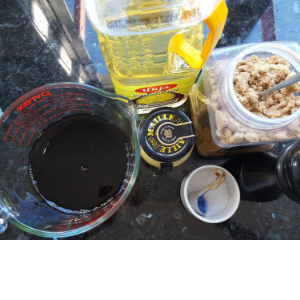
200 ml Balsamic Vinegar
250 ml vegetable oil like canola
1 tablespoon sugar
Plenty of freshly ground pepper
1 tablespoon salt
3 tablespoons Dijon mustard
3-4 cloves of plump garlic peeled
(optional)
Using a large measuring jug,
measure out the vinegar. Add the salt, sugar, mustard. Grind plenty of freshly
ground black pepper. Then add the oil. Whisk everything together until it is
smooth and thick. If using, put the garlic in your bottle and then pour over
your dressing. Store in refrigerator and use as needed. Makes 500ml.
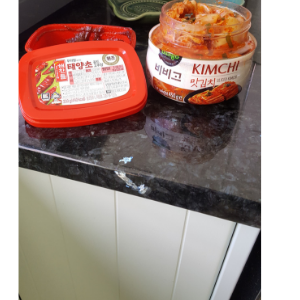
In a small bowl, mix 2
tablespoons of Gochujang paste, soy sauce and sesame oil. Break up the rice so
there are no clumps.
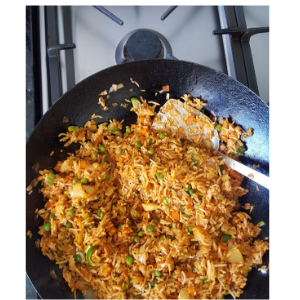
Heat a well-seasoned wok. Once hot, add the vegetable oil and fry the onions along with the carrots. (You can use sweet corn or finely shredded cabbage if you like). When the onion begins to soften, add the garlic and 1 tablespoon of gochujang paste. Continue frying for about 20 seconds after which you can add the cold rice. Continue frying until all the rice is mixed in with vegetables already in the wok. Then add the Kimchi and the gochujang paste mixture. Fry to combine and when everything is incorporated (about 3-4 minutes), add the peas and the whites of the spring onion. Cover with a lid for about 2 minutes and allow to cook. Garnish with the green portion of spring onions and serve hot. You can serve topped with a fried egg to make a complete meal. Serves 4.
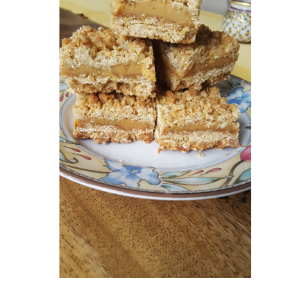
I don’t have much of a sweet
tooth but I can never pass up gooey things with caramel sauce. Having said that
I cannot eat more than a piece or a spoonful of the luscious dulce de leche. My
daughter made this over the weekend for a bake sale at her work and it was
popular. This is easy and the recipe is adapted from Jo Seagar. Makes a perfect
gift or if you need to take a plate.
Base
2 cups plain flour
1 cup self-rising flour
1 cup desiccated coconut
1.5 cups of brown sugar
3 cups rolled oats
2 eggs
250 grams butter, melted
Filling
200 grams butter
400 grams sweetened condensed
milk
4 tablespoons golden syrup
1 teaspoon vanilla essence
Maldon sea salt
METHOD
Pre-heat oven to 180oC.
Grease a large 25 centimetre x 35 centimetre x 5 centimetre (depth) tin with
baking paper. Make sure the paper has a good overhang.
Lightly toast the desiccated
coconut and set aside. For the base, combine dry ingredients in a bowl. Add
eggs and butter. Mix well, then press half of the mixture into the prepared
tin. Take time to press it down and place in oven for 15 to 20 minutes.
While the base is browning, slowly melt butter, condensed milk and golden syrup together. Stirring continuously and taking care not to burn the bottom, heat the filling until it turns golden and smell the caramel flavour as it intensifies. Mix the vanilla essence. Remove tin with the base from the oven and pour filling onto base. Spread evenly and now place the remaining crumble mixture on top. Sprinkle Maldon sea salt on top so that as you bit into the slice, there is a hint of saltiness. Bake for a further 15-20 minutes. Cool and refrigerate.
TIPS
Best to cut after it has been
refrigerated for at least 6-8 hours. Remove the slice from the tin and place on
chopping board. To get perfect slices, trim the edges off first and then cut
into 24 -28 pieces.